UBC Subbots
Autonomous underwater vehicle team
- Project year
- 2024
- Status
- Completed
Machine learning object detection, trajectory optimization and custom IMU sensor circuits for an AUV competing in RoboSub.
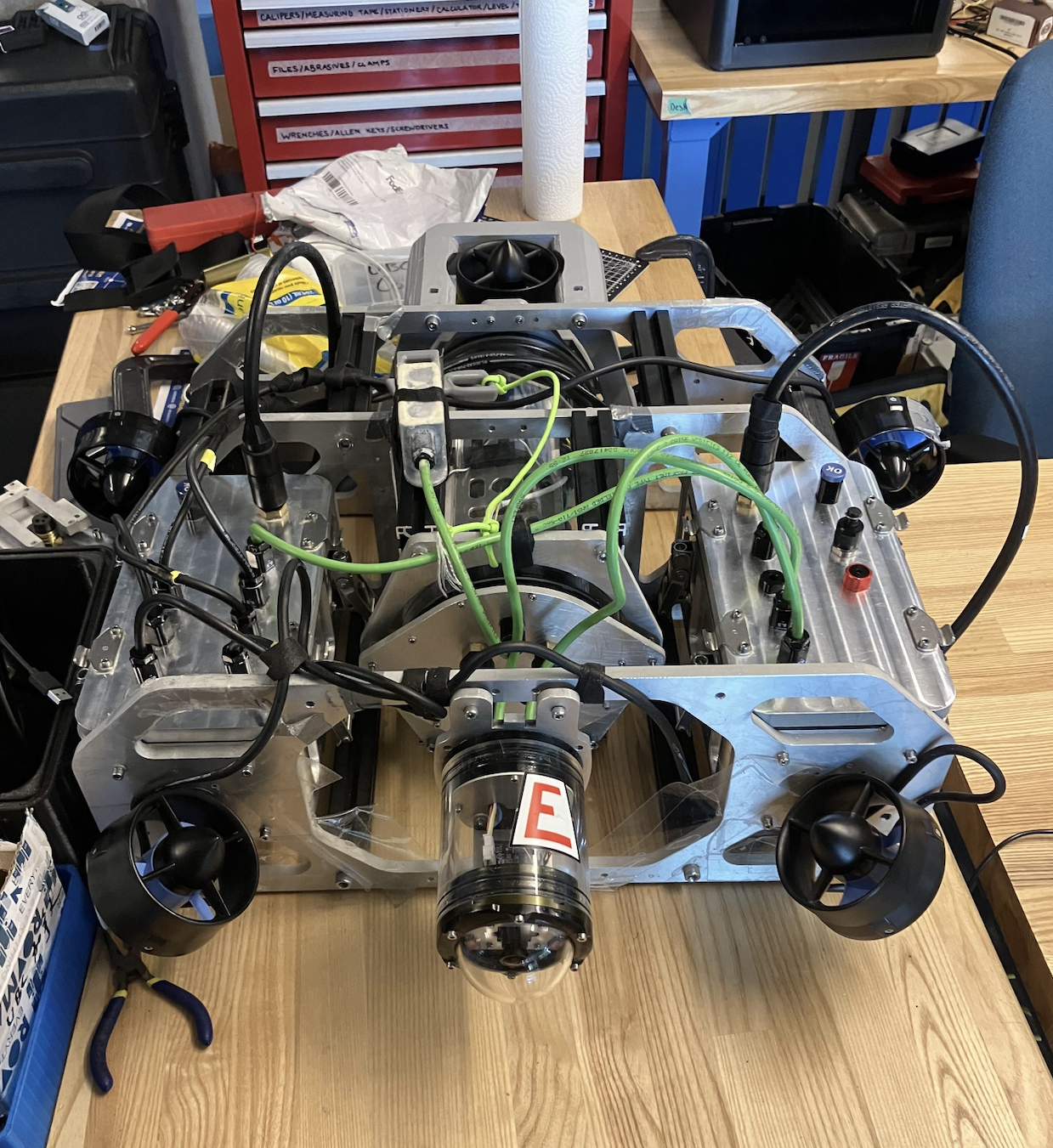
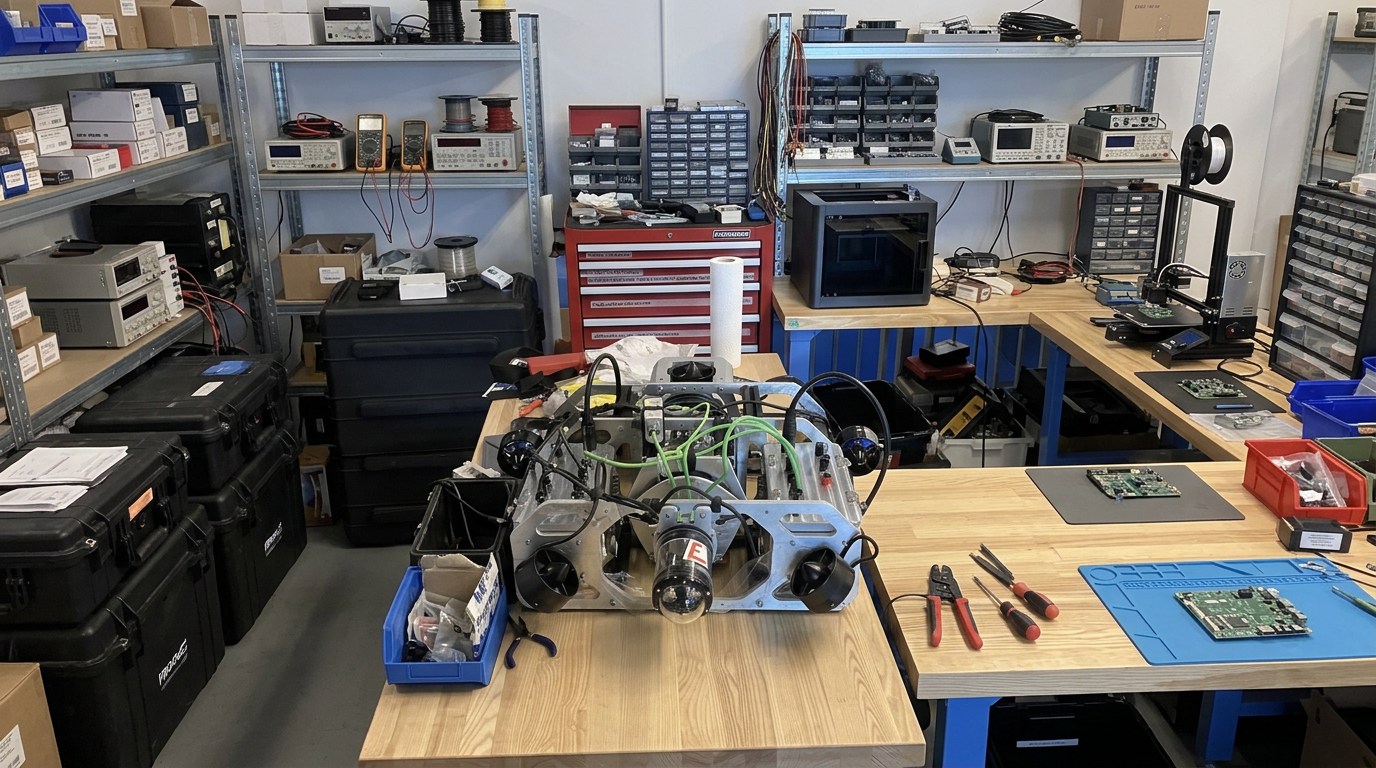
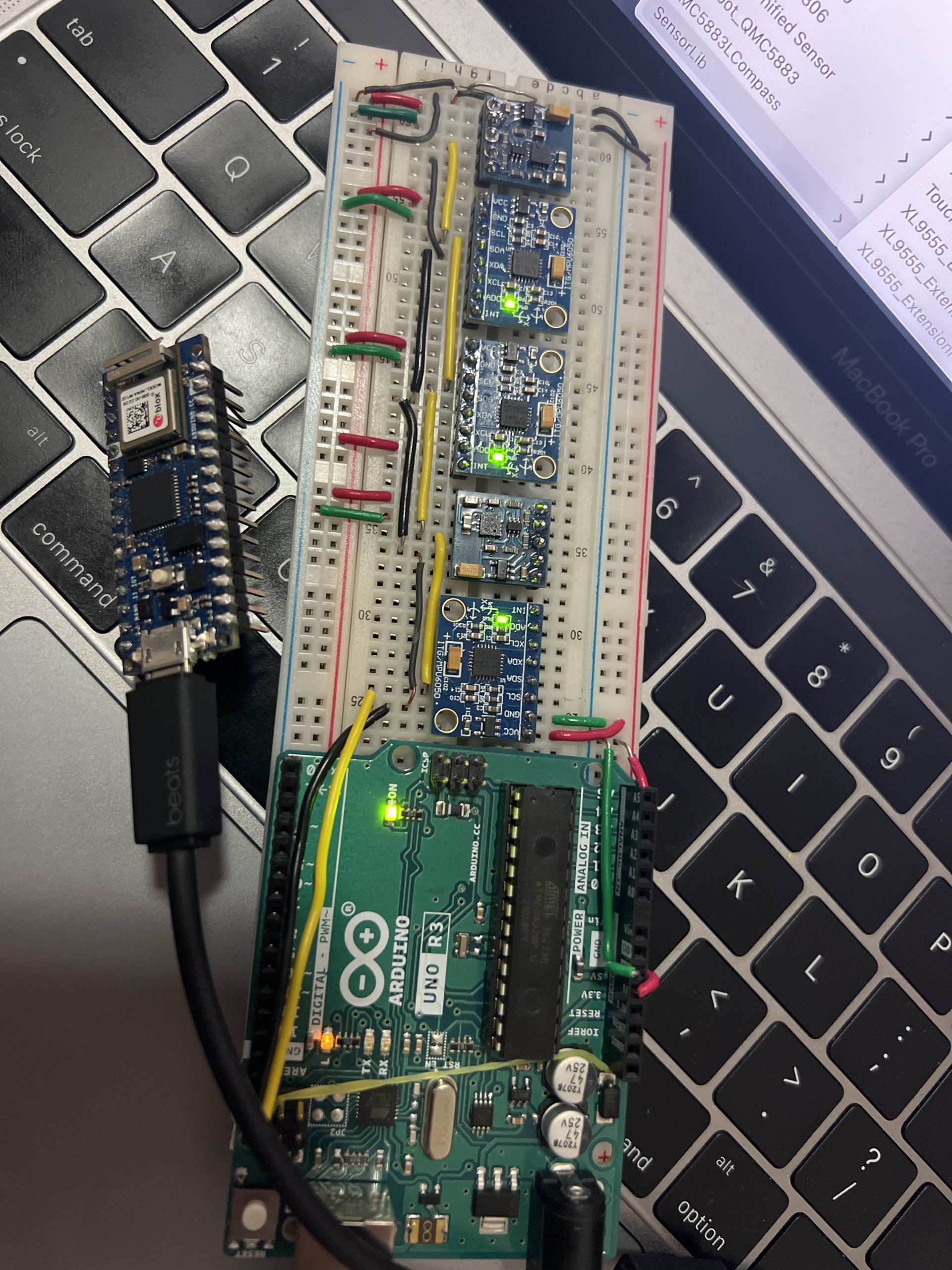
The UBC Subbots team focused on advancing the performance and autonomy of an Autonomous Underwater Vehicle (AUV) through innovations in machine learning, navigation algorithms, and hardware-software integration. Work included high-accuracy object detection models trained on both public and custom datasets, path planning and trajectory optimization algorithms, and prototyping custom circuits for orientation tracking sensors.
Machine learning and object detection — Models were trained using both the COCO dataset and a custom underwater dataset collected and labeled by the team. COCO provided a foundation of general object recognition, while the custom dataset addressed underwater-specific challenges like low visibility, image distortion, and color loss at depth. Models were optimized to run efficiently on the onboard processing unit, balancing accuracy and inference speed for real-time decisions.
Path planning and trajectory optimization — Algorithms used visual input from the detection system to calculate optimal paths toward mission targets, reducing unnecessary movement. Simulation results suggested navigation time reductions of up to 25% compared to baseline methods — important in timed competition tasks and for energy efficiency in research missions.
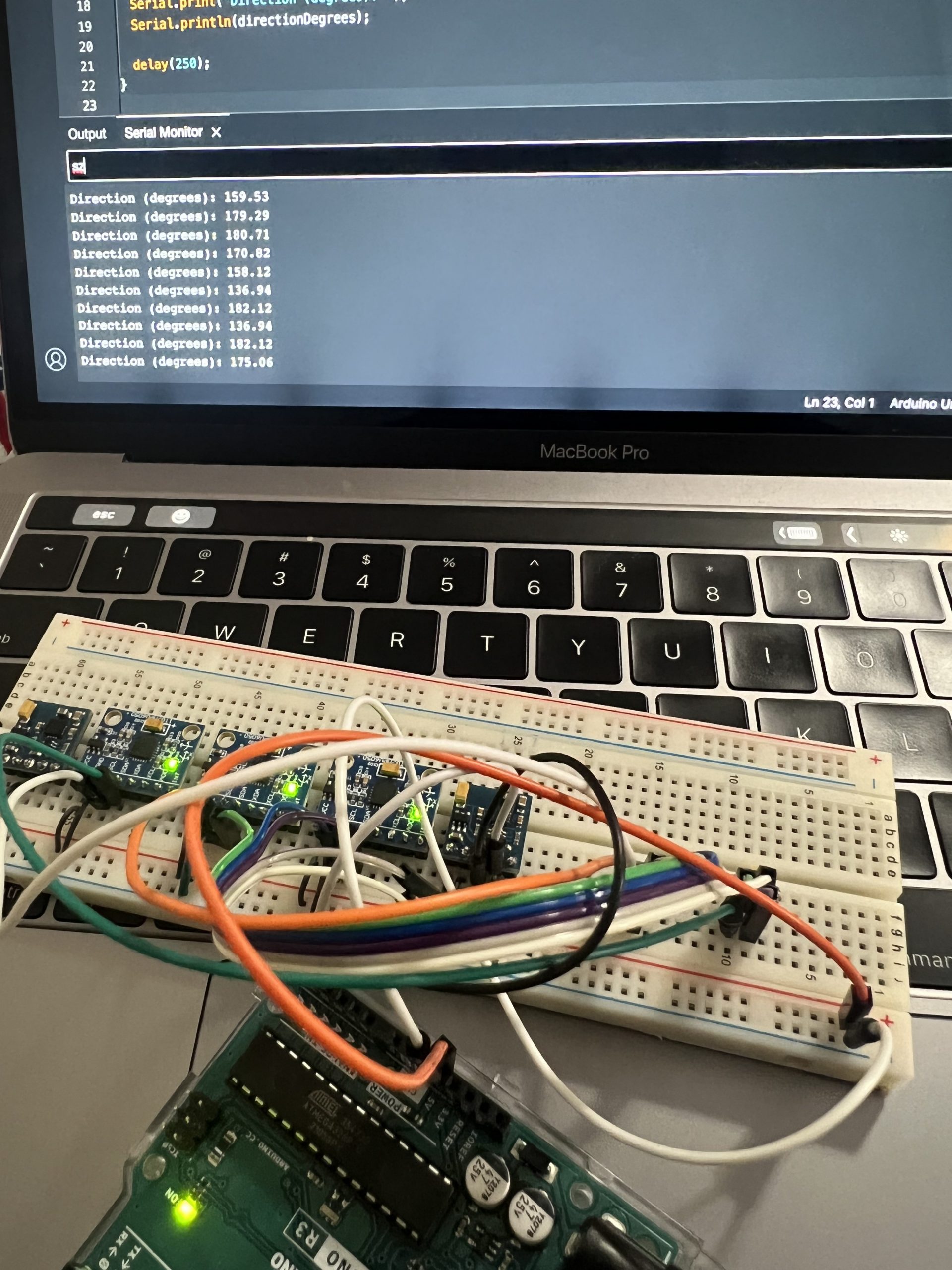
Sensor circuit design — Custom circuits were designed and prototyped for gyroscope and magnetic field sensors, improving the accuracy of the vehicle's IMU. The circuits were designed to minimize electrical noise and ensure reliable data transmission underwater, improving responsiveness and stability during complex maneuvers.
Hardware-software integration — Data from machine learning models, navigation algorithms, and orientation sensors were fused to generate an accurate real-time estimate of the AUV's position and orientation, including waterproof enclosures and mounts for new sensors. The result was smoother navigation, precise positioning, and stable operation during tests.