Fire Extinguishing Vehicle
Remotely operated firefighting prototype
- Project year
- 2024
- Status
- Completed
A sustainable RC ground vehicle built from wood and recycled bottles, with a pressurized water system and a laser-aimed two-axis turret.
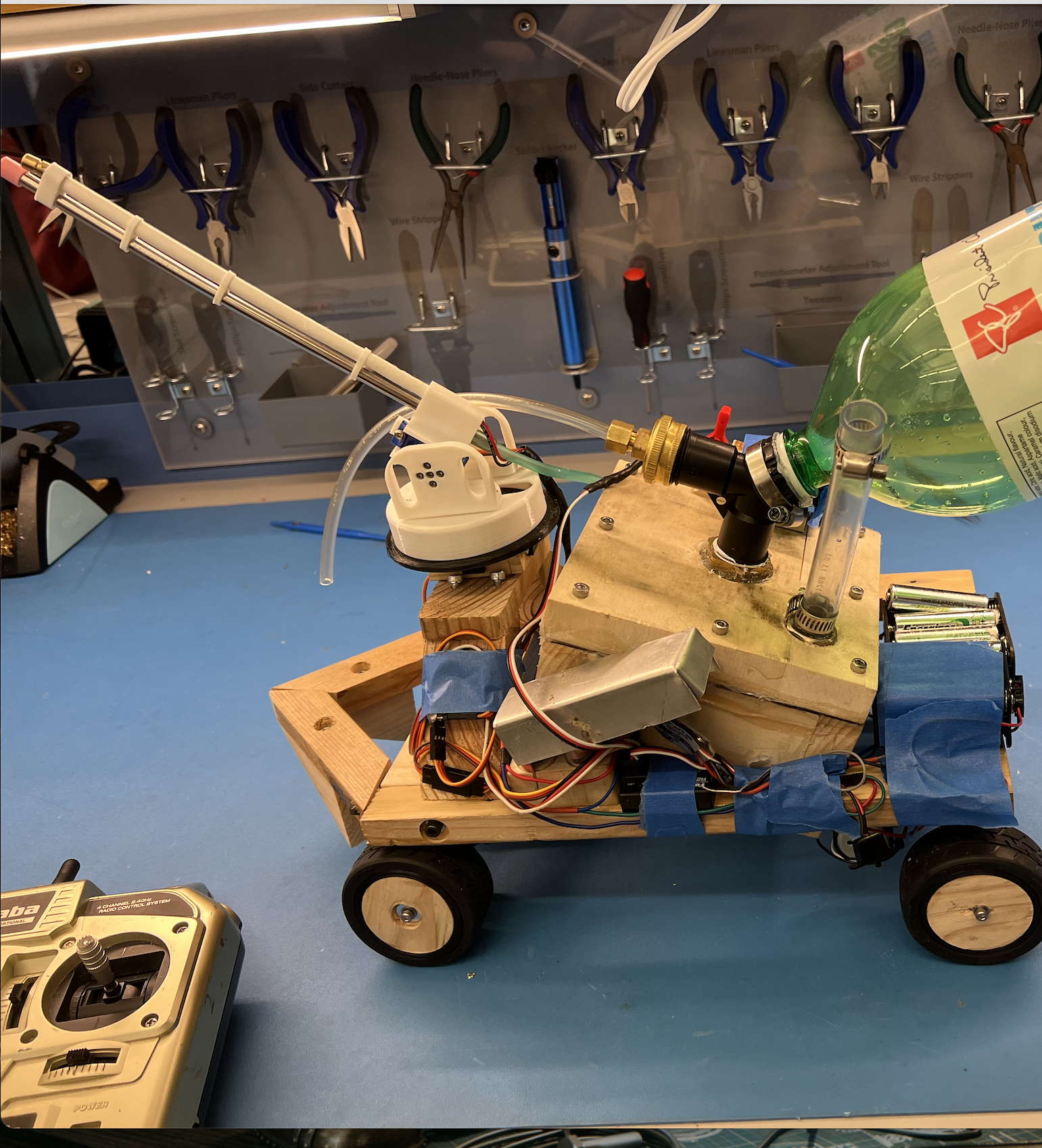
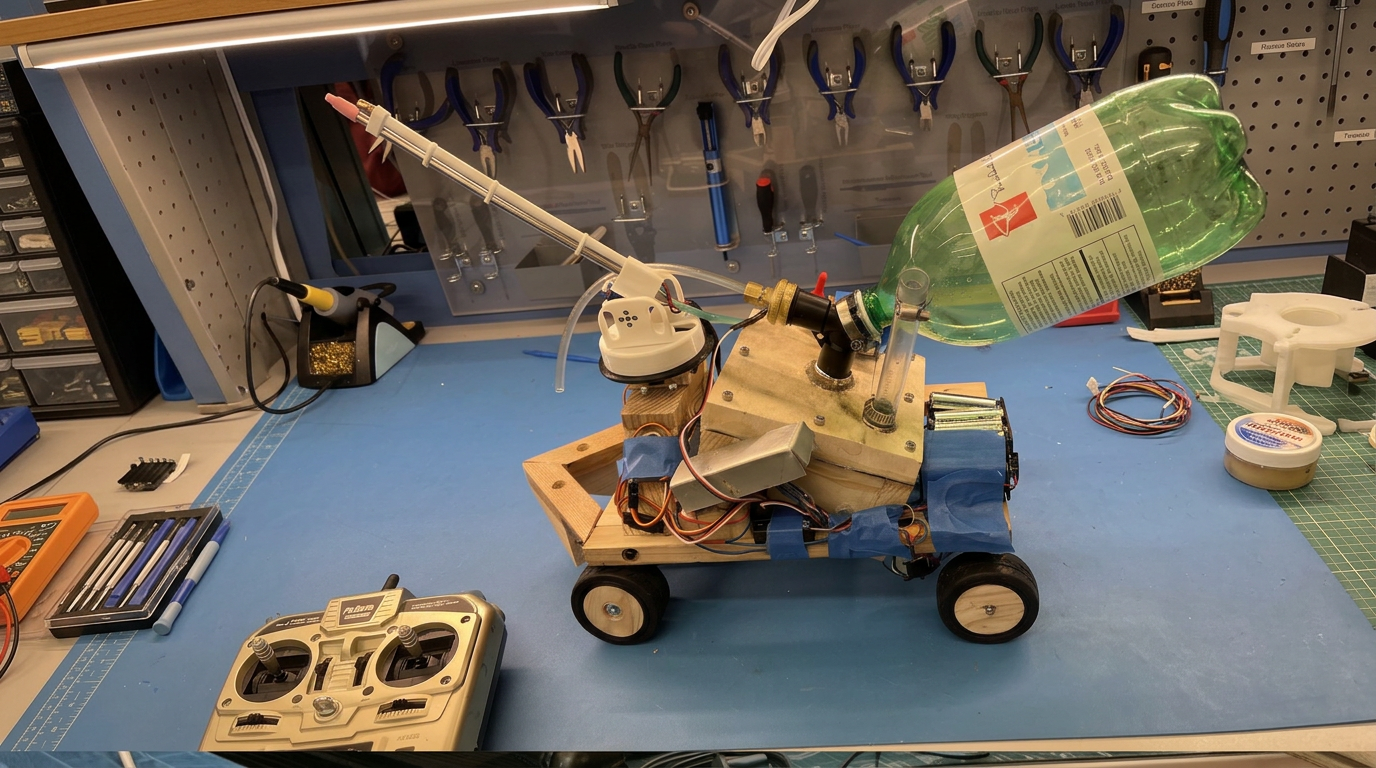
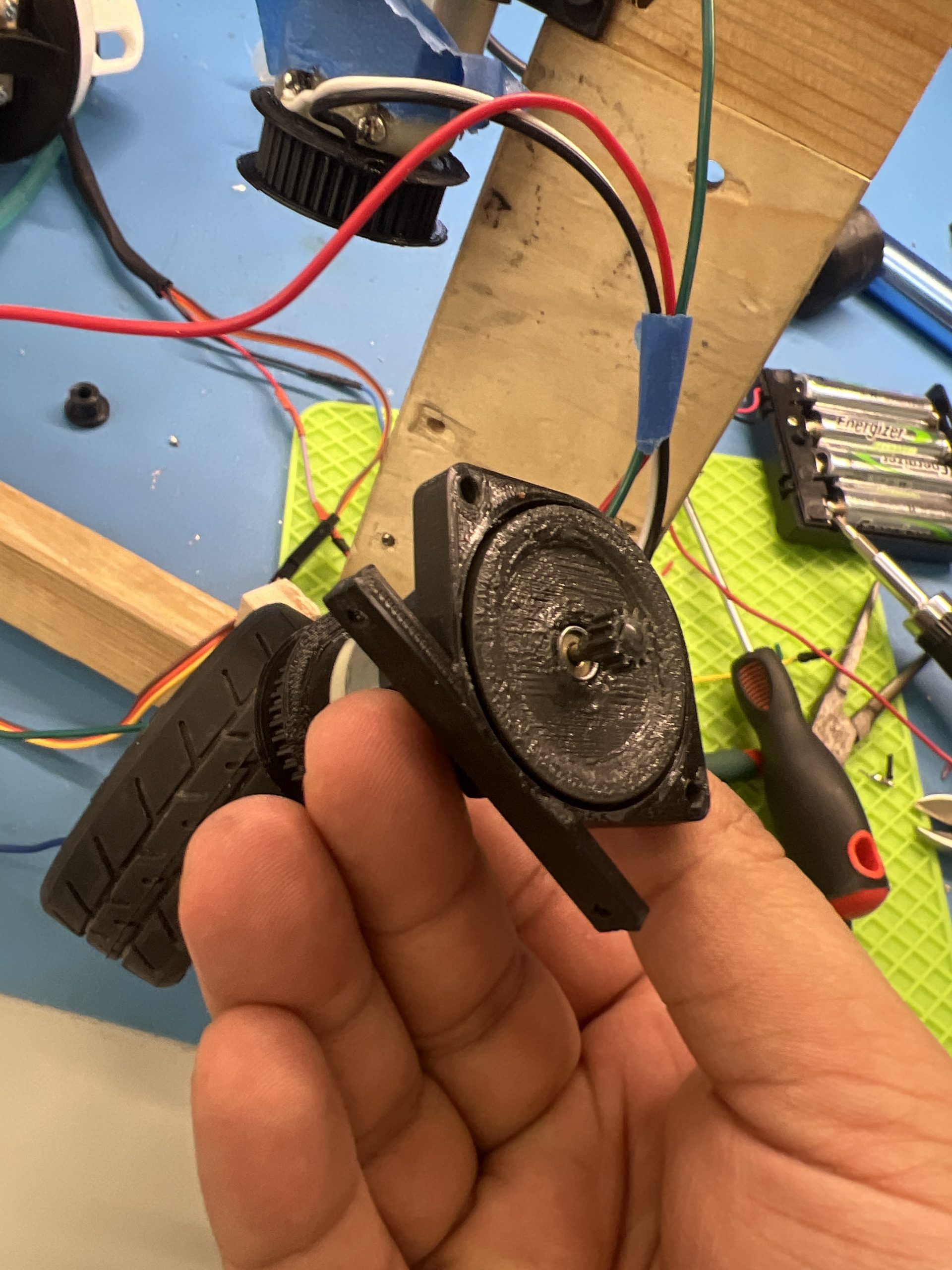
The Fire Extinguishing Vehicle project focused on the design, fabrication, and testing of a remotely operated ground vehicle capable of extinguishing small fires. The vehicle integrated a gear-reduction drivetrain, steering system, water storage and pressure vessel, and a turret system for precise water deployment. For environmental sustainability, much of the chassis and components were fabricated using wood and recycled plastic bottles.
Drivetrain and steering — An electric motor drives a gear-reduction drivetrain, providing greater torque so the vehicle moves smoothly while carrying the water storage load. A custom steering mechanism fabricated from wood and mechanical linkages balances simplicity with reliability, allowing accurate positioning toward fire targets.
Water storage and pressure vessel — A recycled plastic bottle was repurposed into a pressure vessel, reducing environmental impact while demonstrating sustainable prototyping. A wooden framework holds the bottle securely during operation, and the system generated enough pressure for consistent spraying during small fire tests.
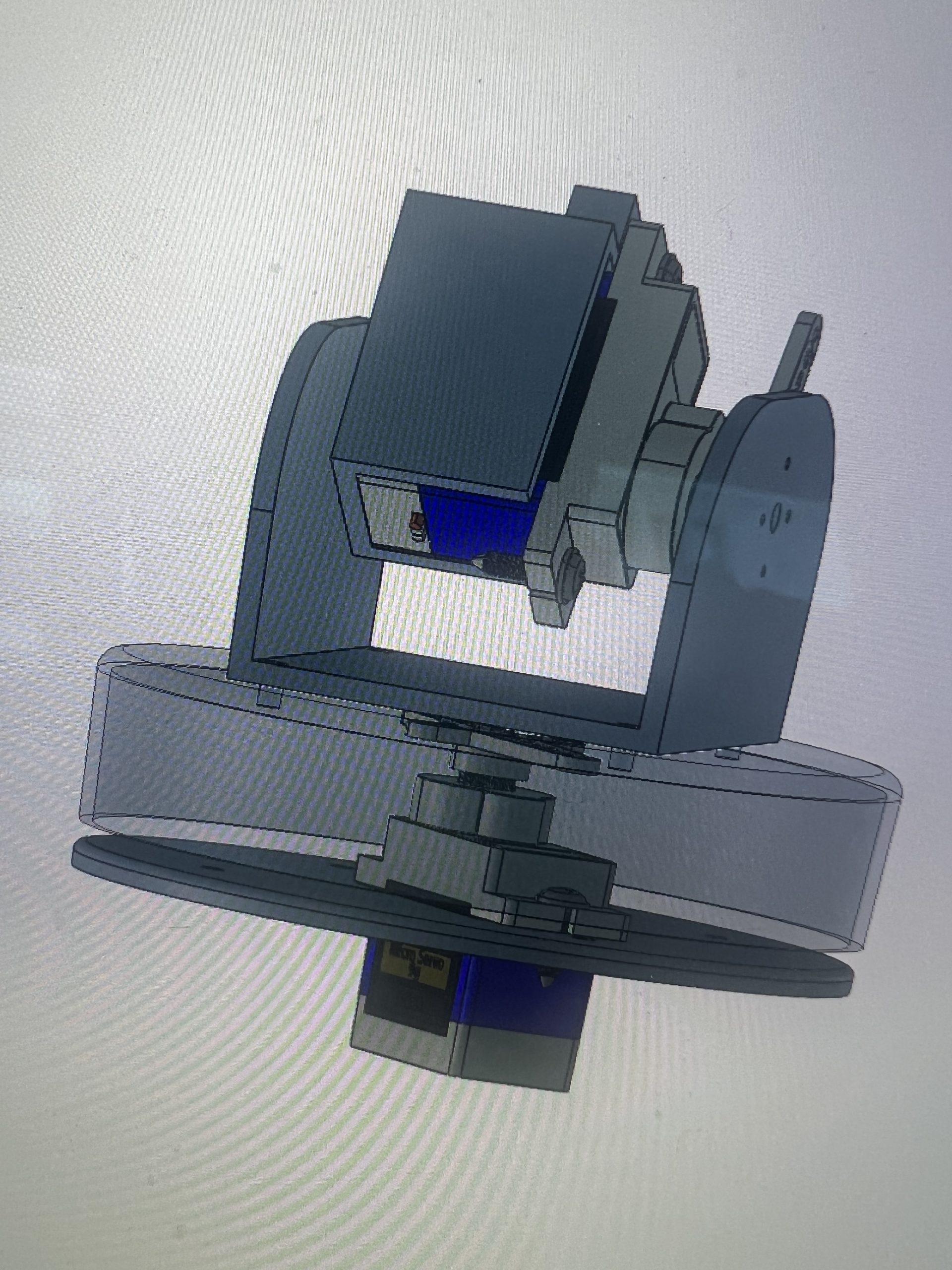
Turret and targeting — The turret rotates horizontally and moves vertically, enabling the operator to target fires at different angles and elevations. A laser module mounted on the turret provides visual alignment with the target, significantly improving aiming precision during remote operation.
Results — The prototype successfully integrated mobility, water storage, and precise targeting, extinguishing small controlled fires during testing while minimizing water wastage. Limitations included limited water capacity and short operating duration from bottle pressurization. Future iterations could scale the design, use stronger materials, add automated targeting, and integrate heat sensors for autonomous fire detection.